
Diagnostic Errors
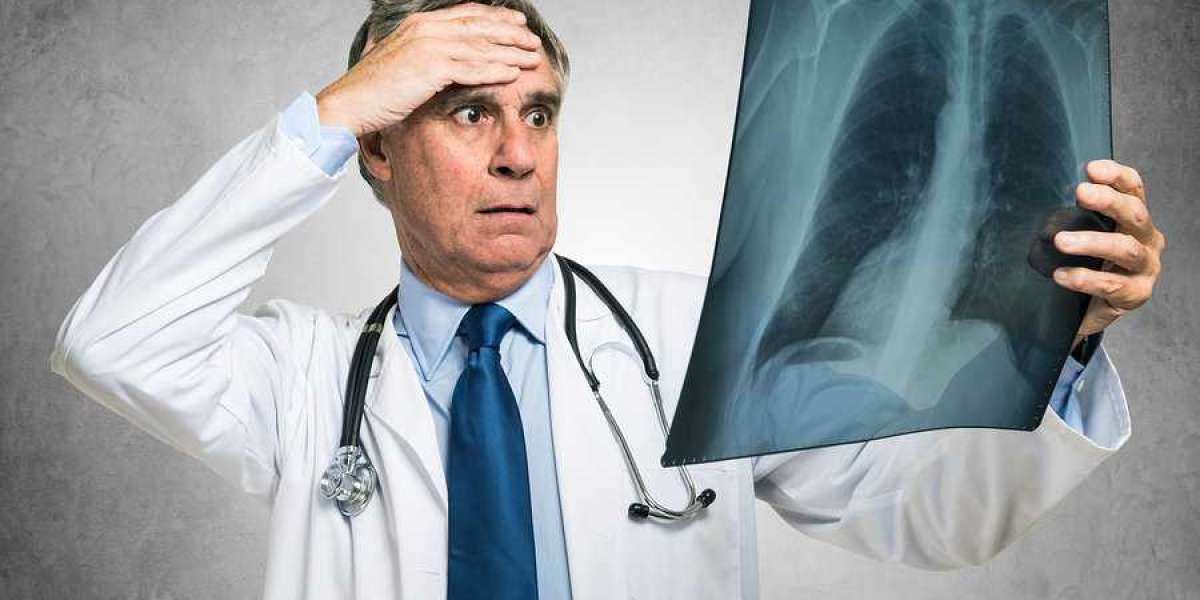
There are many incidents and complex cases that occur in the medical practice. The most burning issue that I have ever experienced is diagnostic errors. This phenomenon occurs when a specialist from a team of medical professionals makes a missed, delayed, or wrong diagnosis that requires immediate correction. The failure of patients to fully cooperate with nurses can also aggravate the problem. Despite systematic efforts to correct the medical mistakes, the prevalence of misdiagnosis is still evident in clinics and hospitals. Other aspects contributing to the emergence of diagnostic errors include the lack of attention and comprehension of biases, inefficient decision-making process, cultural attitude that may discourage the discussion, difficulties of identifying errors, and assumptions about the impracticality of the overall process. Obviously, the issue of diagnostic errors requires resolution in the shortest terms as it jeopardizes patients’ health, prevents them from recovery, and hinders the smoothness and effectiveness of the entire caregiving process.
During my recent practicum experience, I made one significant diagnostic error. In particular, I did not ask for an opinion of my colleagues, and, therefore, established it independently. In addition to the flaws in communication the client came from Cambodia and did not know English to express her concerns, which required the interpreter and failure of equipment (the last was out of order, and our team has not received new tools and devices yet). One of the reasons why I made this mistake was my reliance on common symptoms. I was searching for some obvious answers, taking into account previous clinical experience, instead of identifying the causes of the disease considering the patient’s current health condition. The case of Ms. Andre, aged 47, illustrated the importance of timely asking for an opinion of experienced specialists. I subjected a woman to the histological and immunohistochemical procedures and diagnosed her with breast cancer. Due to the fact that I am a nurse practitioner, my colleagues decided to review the medical records of Andre’s condition, revise glasses, and repeat performed immunohistochemical studies. According to the results of the last procedures, the clinicians, with whom I work, did not detect any neoplastic malignant process. Instead, they managed to make an accurate diagnosis of Ms. Andre, which was the proliferative fibrocystic mastopathy with the foci of sclerosing adenosis. It was not cancer, and I recognized my mistake mostly due to the broken equipment and inability to obtain the necessary information from the patient who is not proficient in English.
Afterwards, I set a goal to re-envision the diagnostic process and promote strong commitment to the radical changes. Moreover, as the diagnosis process is a collaborative activity and I made a significant mistake, I facilitated more effective teamwork of all the parties engaged in the process. During my past experience, my colleagues and I used to set a diagnosis independently considering it a solitary activity. However, many cases that we encountered in the recent practice demonstrated that this approach was wrong and ineffective. It is unacceptable to rely exclusively on the individual knowledge and experience as no healthcare provider can provide impeccable medical service free from errors. Therefore, the exchange of relevant information and constant communication with colleagues have become a critical task for me, and I recognized that its accomplishment is not possible without productive teamwork . However, the self-assessment of the clinical skills was also important as they required improvement and amendments that would tailor them to the current medical trends and patients’ preferences. Despite the fact that I possess vital clinical skills, I still faced communication issues not only with a multicultural team of medical specialists but also with the patients coming from various countries, who were not proficient in English.
I recognize the importance of developing communication skills as patients heavily rely on our support and professional medical assistance. This vital quality significantly improves the interaction between all parties involved in the caregiving process . Moreover, I have also set a goal to learn foreign languages to be able to meet patients’ basic healthcare needs and receive higher pay. In reality, the possession of necessary skills will not only help me to improve and ease communication but also establish a correct diagnosis that requires asking questions about the patients’ medical history and current illness, doing a physical examination, ordering necessary tests, as well as analyzing possible diagnosis, alternative options, and recommendations concerning treatment.
After this unpleasant experience, I started paying more attention to the prevention and elimination of cognitive errors that hinder the effectiveness of my clinical practice. My reflectiveness and mindfulness have enabled me to make patients my partners as they and their family members are the direct participants of the diagnostic process. Due to my recent experience marked by some mistakes, one of the goals that I set afterwards was to engage patients in the diagnosis. Unfortunately, patients and their families along with physicians do not always establish a connection, thereby increasing risks of making diagnostic errors. Unfamiliarity with the specifics of the diagnosis and unfavorable health care environment fail to foster patient engagement. Accordingly, these issues also aggravated my practicum results.
To conclude, my previous clinical experience has helped me identify the issues that require significant attention. One of them is making diagnostic errors. Despite possessing some vital skills, I am still prone to make mistakes. I have recognized that the promotion of communication among patients, families, physicians, and nurses, as well as their engagement in the decision-making, diagnosis, and caregiving process may change the situation for the better. Learning foreign languages will help me meet the basic healthcare needs of the patients coming from different countries. In addition, as the diagnosis process is a collaborative activity, I start fostering effective teamwork of all the parties engaged in the process, including nurses, clinicians, physicians, patients, and their families.
I am Lola Nickson and I am keen on writing different papers, academic essays, research works, and so on. Personally this research work I wrote for my client who was not refuse of posting me this paper here. If you find it difficult to cope with the research work of such type you can order college research paper help at Papers-Land.com writing agency where I work as a professional writer.