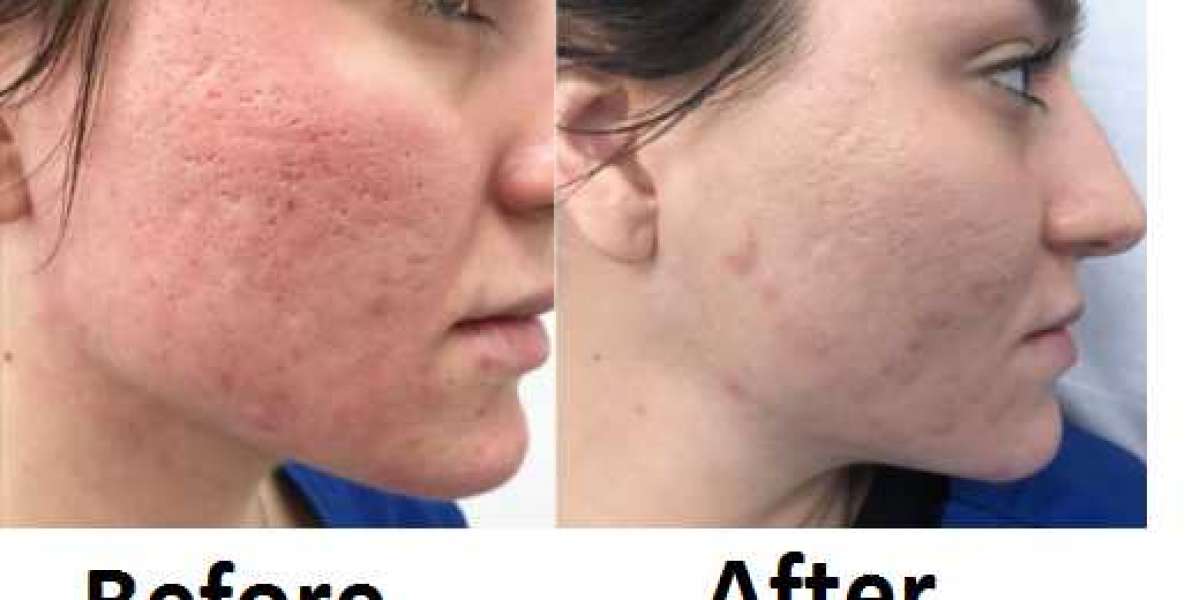
We desire you to be informed, not overwhelmed. Prior to you go too far down the Google bunny opening, we recommend taking a go back from all the buzz and reviewing the following essential points to know about laser skin resurfacing.
1. When should I have laser skin resurfacing?
Did you know that fall is taken into consideration "laser season"? Because laser-treated skin is hypersensitive to sunlight direct exposure for approximately a year following some treatments, lots of surgeons suggest undertaking laser resurfacing throughout loss or winter season, when daytime hrs are much shorter and also you are spending most of your time inside.
Despite what season you have your laser treatment, use a broad-spectrum SPF 30 or greater sun block daily as well as reapply as needed. This not only helps to keep your results looking their best, it additionally offers protection versus skin cancer and also aids prevent additional early aging.
2. Therapies may hurt-- or it may not
Patients and also physicians frequently contrast the sensation felt during laser treatments to a rubber band snapping against the skin. Nevertheless, what laser resurfacing feels like relies on the laser, the deepness and location of therapy, as well as a person's resistance for discomfort.
Much deeper ablative (some outer layers of skin are removed) laser treatments might require anesthetic shots or intravenous sedation to maintain an individual comfy. Instances of ablative lasers are CARBON DIOXIDE lasers as well as Erbium YAG lasers.
Some non-ablative laser treatments (the laser goes through the skin without eliminating layers) create little-to-no discomfort and also call for just a topical numbing cream to offset pain. Non-ablative lasers consist of pulsed-dye, ND: Yag, and Alexandrite lasers. Following the treatment, some level of tenderness in the treatment location can be expected. Your service provider will certainly recommend risk-free means to manage discomfort after laser resurfacing when needed.
3. Having darker skin does not always avert you from laser resurfacing
A typical false impression is that laser resurfacing is just risk-free for light skin types. While it is true that particular lasers position a greater danger for cell damages or staining in darker skin, there are risk-free and efficient resurfacing options. For lighter-toned African American, Hispanic or Oriental skin tones, Erbium laser resurfacing can sometimes be a good option, posturing less risk for discoloration. Individuals with darker brown or black skin may require to consider various other skin resurfacing alternatives, such as radio-frequency treatments or microneedling.
The most effective means to ensure a risk-free, efficient treatment for your skin type? Seek advice from a supplier that has considerable training and also expertise in laser resurfacing procedures and experience dealing with darker skinned people.
4. It makes a distinction that does your laser skin resurfacing treatments
In the hands of an extremely trained, educated specialist, laser resurfacing is a risk-free way to dramatically enhance your skin's appearance. In the hands of an improperly trained person, lasers can be inadequate or perhaps harmful. Select a laser resurfacing near me carrier based on an individual's experience, training, as well as qualification. Do not make your pick based exclusively on that uses the best bargain or has a trademark name laser platform
5. Certain medications or problems influence the skin's response to laser therapy.
Always be ahead of time and be direct with your service provider regarding your medical history and any medications or supplements you are taking. For example, if you are prone to fever blisters or fever blisters, laser treatments can lead to flare-ups. Acne medications that contain isotretinoin (i.e., Accutane) can cause poor healing or scarring from laser resurfacing, while common over-the-counter items like aspirin can increase the risk of post-procedure bleeding.
Diabetes, as well as other chronic conditions, can also affect the safety and results of laser resurfacing. Also, you should stop smoking cigarettes at least 2 weeks before and after laser treatments to avoid problems with healing and to give your body the most effective chance for optimal results.
6. Different lasers are optimized for different skin types and problems.
The factor that there are many laser options is that no one person with laser can deal with all people and all skin concerns. Here are some ranges that you are probably ahead of in your research study:
CARBON DIOXIDE lasers are generally ablative lasers that are used to treat marks, growths, wrinkles, and other deeper skin problems.
Erbium lasers can be ablative or non-ablative. They promote collagen remodeling, making them standout options for treating fine lines, wrinkles, skin laxity, and age spots.
Pulsed dye lasers are generally non-ablative lasers that heat the skin and absorb pigments to reduce pain, hyperpigmentation, broken capillaries, and rosacea.
Fractional lasers split laser energy into thousands of tiny beams of light to treat only a portion of the skin at the location, minimizing downtime. Fractional lasers can be ablative or non-ablative, and are also used to treat a variety of age-related blemishes.
IPL (Intense Pulsed Light) therapies are practically not lasers, however they are generally used to treat laser-like problems such as sun damage, acne, rosacea, and hyperpigmentation. Learn more about IPL treatments
Instead of getting caught up in the brand name and laser wavelengths as well, focus on your specific goals: what skin problems do you want to solve and what results do you expect? The good news is that you don't need to set this up on your own - a board certified plastic surgeon or a qualified skin treatment specialist trained in laser resurfacing will surely have the ability to suggest the most effective therapy for you based on your type of skin.
7. You intend to have multiple treatments
While sometimes a solo laser therapy will take care of a person's problems, many non-ablative lasers require a collection of therapies to create the most pleasant results. This is a trade-off that comes with no downtime treatment, once the treatment series is complete the results are long lasting.
8. Depending on the treatment, you may need some downtime.
Although laser treatments are generally considered non-surgical, not all are free of downtime. The healing time of laser resurfacing differs depending on the type of laser used along with the cost of recovery, wellness and health of a person.
Non-ablative lasers generally do not need downtime in any way, while ablative lasers may require a 2-3 week healing procedure, depending on depth, before new skin has fully healed and results are obvious.
This does not suggest that you have to stay home for a month; it simply implies that your skin will be raw, reddened and scabbed as it heals. You may not really feel comfortable in particular social situations, and you will certainly need to customize your activities to stay away from circumstances where infection is feasible (swimming, exercising at the health club, etc.).
If you are considering laser therapies to improve your skin, we recommend that you speak with Celibre.com